What is a Mesh Wi-Fi Network?
The Problem with Traditional Routers
A standard home network relies on a single router placed somewhere in the house. As you move further away, the signal gets weaker until it completely drops. Historically, people used "Wi-Fi Extenders" to fix this. Extenders catch the weak signal and repeat it—but they cut your total bandwidth in half and create separate, confusing network names (like "Home_WiFi" and "Home_WiFi_EXT").
Enter Mesh Wi-Fi
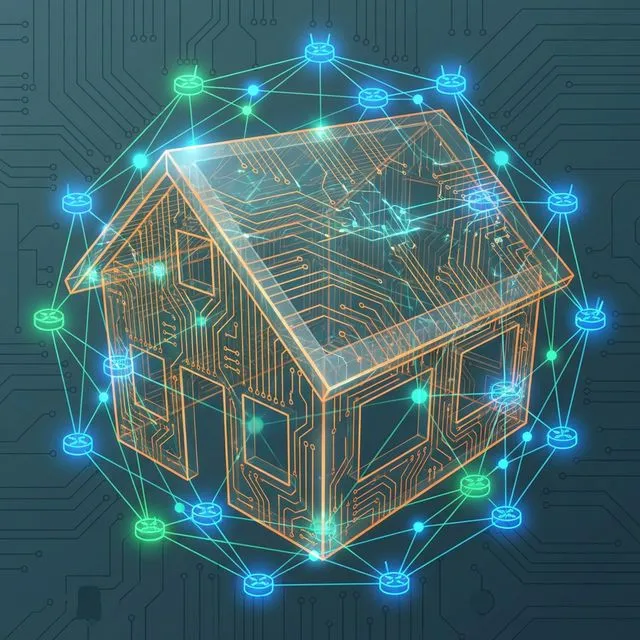
A Mesh Wi-Fi system is fundamentally different. Instead of one powerful router, a mesh network consists of multiple smart access points (called nodes) placed strategically around your home. These nodes communicate with each other seamlessly.
The magic of a Mesh system is seamless roaming. As you walk from your living room (Node A) to your bedroom upstairs (Node B) while watching a stream, your smartphone automatically transitions to the strongest node without dropping the connection. There is only one network name (SSID) and one password.
Do You Need a Mesh System?
Mesh systems are expensive but incredibly effective. You should consider one if:
- Your home is larger than 2,500 square feet.
- Your home has multiple stories or solid brick/concrete interior walls.
- You have dead zones where a traditional router simply cannot reach.
For smaller apartments, a high-quality standalone Wi-Fi 6 router is usually a better and more cost-effective choice.